

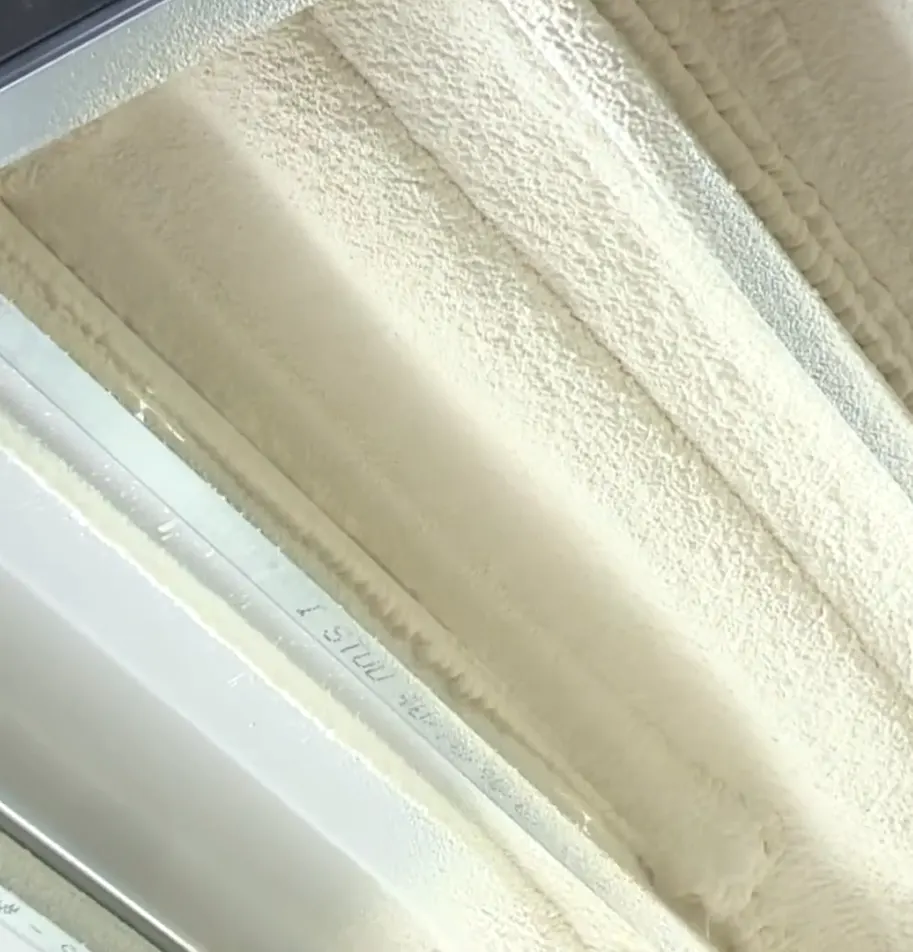
Professional insulation delivers benefits you can feel and measure: lower heating and cooling bills, steadier temperatures from room to room, quieter living spaces, better humidity control, and less strain on your HVAC system. The EPA’s ENERGY STAR program estimates that homeowners who air seal and add insulation save an average of 15% on heating and cooling costs, or 11% on total home energy costs. The right approach depends on your home’s age, current insulation levels, and climate zone, and most successful projects combine strategies: attic insulation to slow the heat escaping upward, wall upgrades to even out temperatures, and spray foam applications that insulate and air seal in a single step. Below, we break down each benefit, compare your material options, and explain how to judge whether a proposed project will actually perform.
TL;DR
- Savings are documented, not theoretical. ENERGY STAR estimates an average 15% reduction in heating and cooling costs (11% of total energy bills) from air sealing plus added insulation in attics, floors over crawl spaces, and basement rim joists.
- Most homes qualify. ENERGY STAR reports that 9 out of 10 U.S. homes are under-insulated and leak air.
- Climate shapes the payoff. In climate zone 4, which covers southwestern Missouri on EPA’s map, modeling projects 12% savings on total bills and 17% on heating and cooling.
- Installation quality decides performance. Manufacturer R-values apply only to properly installed insulation; gaps, compression, and voids erase rated performance.
- Spray foam does two jobs at once. Closed-cell foam installs at roughly R-5.5 to R-6.5 per inch while forming an airtight seal against the substrate.
- Moisture control comes standard. Insulating cold surfaces reduces condensation, the condition mold needs to grow.
Why Professional Installation Outperforms a Weekend Job
Heat moves through a home in three ways: conduction through solid materials, convection through moving air, and radiation from warm surfaces. Insulation slows all three, but only when installed correctly. Research compiled on Wikipedia’s R-value page notes that manufacturer ratings apply only to properly installed insulation, and that compressing batts or leaving voids changes how a material performs inside a wall. Studs, joists, electrical boxes, and corners also create thermal bridges, paths where heat bypasses insulation entirely.
A professional crew starts with the whole envelope: identifying where air leaks, where insulation has settled, and which surfaces run cold enough to condense moisture. Our team matches the material to each area, verifies coverage thickness as we work, and treats insulation services in Springfield, MO as part of the project rather than an afterthought. That difference in process, more than the name on the product label, is what turns rated R-values into real-world savings.
The Main Benefits of Professional Insulation, Broken Down
Lower Energy Bills Backed by Federal Estimates
ENERGY STAR’s methodology page details the modeling behind its estimates: homes built to recommended insulation levels with a 25% cut in air infiltration were simulated with DOE-2 hourly software across every U.S. climate zone. The projected results:
| Climate Zone | Total Bill Savings | Heating and Cooling Savings |
|---|---|---|
| Zone 8 (coldest northern zones) | 16% | 18% |
| Zone 4 (covers southwestern Missouri) | 12% | 17% |
| Zone 1 (southernmost) | 5% | 7% |
| National average | 11% | 15% |
For a Springfield home, the Zone 4 figures are the practical benchmark. Cold winters and hot, humid summers mean both your furnace and air conditioner gain from a sealed, well-insulated envelope.
Consistent Comfort in Every Season
ENERGY STAR puts it plainly: when correctly installed, insulation delivers comfort and savings, especially during the hottest and coldest stretches of the year. The agency adds that if you combined all the gaps in a typical home’s envelope, the effect would equal leaving a window open every day of the year. Sealing those gaps fixes what homeowners feel first: drafty rooms, cold floors above crawl spaces, upstairs bedrooms that never cool down, and ice dams along roof edges.
Moisture Control and Mold Prevention
The EPA’s mold and moisture guidance is unambiguous: the key to mold control is moisture control. Condensation forms when humid indoor air reaches cold surfaces, exactly what happens at uninsulated rim joists, basement walls, and pipes. The EPA recommends covering cold surfaces with insulation and keeping indoor humidity between 30 and 50 percent. Closed-cell spray foam is especially useful here because it insulates and seals in one step, limiting the moist air movement that leads to hidden mold in walls and crawl spaces.
Quieter, Cleaner Living Spaces
Insulation reaches beyond temperature. ENERGY STAR lists reduced outside noise, less pollen and dust entering the home, fewer pests, better humidity control, and a lower chance of ice dams among the results of sealing leaks and adding insulation. For households with allergy sufferers, an airtight envelope means fewer irritants drifting in from outside.
Less Strain on Your HVAC System
When heat exchange through the envelope drops, your furnace and air conditioner run shorter cycles to hold the same temperature. Wikipedia’s building insulation overview notes that roughly 40% of building energy consumption goes to heating and cooling, and that good insulation lets HVAC equipment reach target temperatures with less energy input. Shorter run times mean fewer hours of wear on expensive equipment, and retrofitting insulation is recognized as one of the most effective climate mitigation steps a homeowner can take.
Comparing Your Insulation Options
No single product fits every area of the house. These per-inch figures, drawn from Wikipedia’s compiled R-value table, show why professionals mix materials across a project:
| Insulation Type | Typical R-Value per Inch | Best For | Standout Trait |
|---|---|---|---|
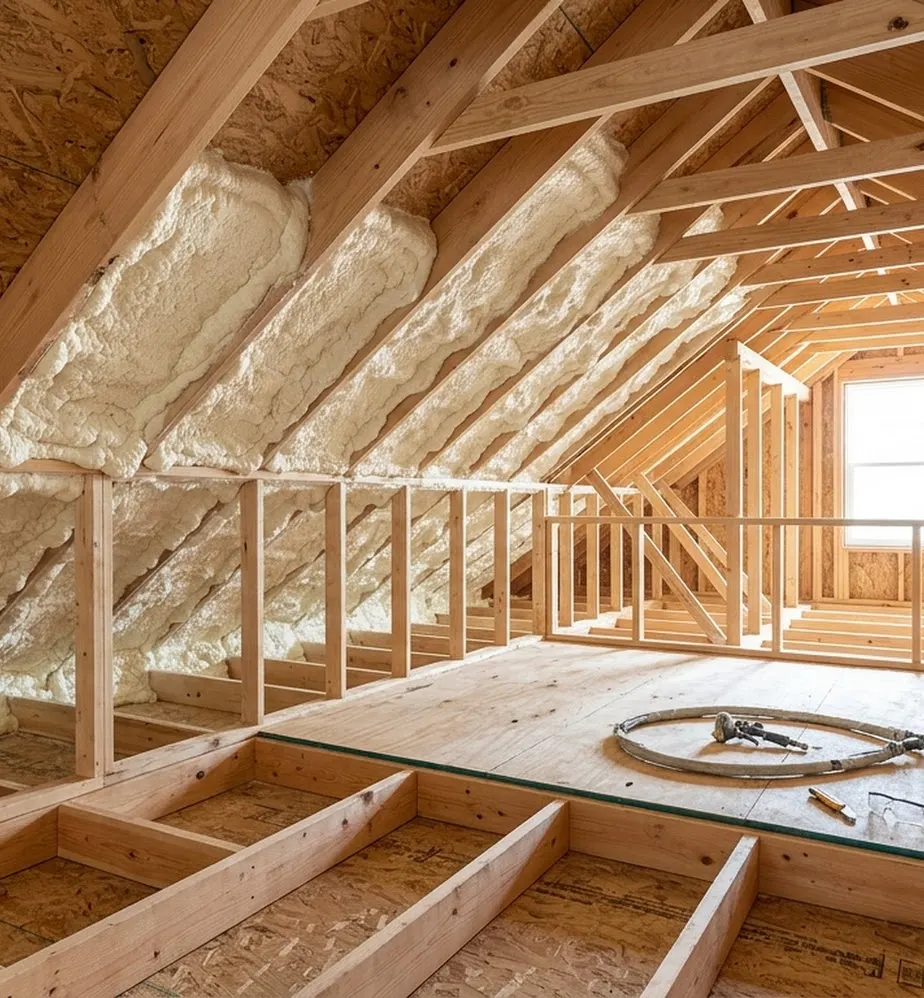
| Closed-cell spray foam | R-5.5 to R-6.5 | Attics, rim joists, crawl spaces | Insulates and air seals in one step |
| Open-cell spray foam | About R-3.6 | Walls, sound-sensitive rooms | Expands to fill irregular cavities |
| Fiberglass batts | R-3.1 to R-4.3 | Standard stud and joist bays | Flexible and widely available |
| Blown-in loose fill | R-2.5 to R-3.8 | Attic top-ups, tight spaces | Settles around wires and obstructions |
Recommendations by Homeowner Scenario
| Your Situation | Recommended Approach | Why It Works |
|---|---|---|
| Home built between 1970 and 1989 | Attic air sealing plus insulation to current code levels | EPA modeled exactly this housing era for its savings estimates |
| One room that never matches the thermostat | Wall insulation with attention to corners and rim joists | Targets the thermal bridges behind hot and cold spots |
| Damp basement or crawl space | Closed-cell foam on walls and rim joists | Seals moist air paths and insulates cold surfaces in one pass |
| Allergy concerns | Whole-envelope air sealing with a ventilation review | Cuts pollen, dust, and pest entry points |
| Preparing to list your home | Documented attic and wall upgrade | Gives buyers a concrete record of lower operating costs |
Signs You’ve Found the Right Approach
- The inspection comes before the quote. A crew that measures existing insulation depths and checks for air leakage is planning, not guessing.
- R-value targets are stated by area. You should hear specific numbers for the attic, walls, and rim joists, explained in plain language.
- Air sealing is part of the scope. A proposal that lists sealing alongside insulation shows the provider understands the envelope as a system.
- Materials and thickness are written down. Vague scopes invite thin coverage.
- The finish includes verification. Expect a walkthrough and confirmed coverage depth before the crew leaves.
Get Professional Insulation for Your Springfield Home
Springfield Excel Spray Foam helps homeowners across Springfield and the surrounding area turn these benefits into results, with careful assessments, honest recommendations, and clean installation of spray foam and complementary insulation systems. Whether you want to cut utility bills, fix a stubborn cold room, or protect your home from moisture, our team will show you exactly where your envelope is failing and what it takes to fix it. Call us at (417) 815-4629 or email [email protected].
Ask our team how a properly sealed and insulated envelope can pay you back every month your system runs.
FAQs
How much can insulation actually lower my energy bills?
The EPA estimates an average of 15% savings on heating and cooling, and 11% on total energy costs, from air sealing plus added insulation. Homes in Missouri’s climate zone fall closer to 12% of total bills and 17% of heating and cooling.
Which area of the home should I insulate first?
Start with the attic, then floors over crawl spaces and basement rim joists. Those are the areas ENERGY STAR’s homeowner guidance and savings estimates are built around.
Is spray foam really better than fiberglass?
Each has a role. Spray foam insulates and air seals at once and carries a higher R-value per inch, while fiberglass provides lower per-inch performance and does nothing about air leakage. The right choice depends on the area and your goals.
How long does a professional insulation project take?
Most single-area projects, such as an attic, are finished in one to two days. Whole-home scopes covering walls, crawl spaces, and rim joists take longer and depend on access and square footage.
Will new insulation help with dust and allergies?
Yes. ENERGY STAR lists less pollen, dust, and pest entry among the benefits of sealing leaks and adding insulation. Pair the envelope work with good ventilation and filtration for the best indoor air quality.
Sources
- ENERGY STAR, Why Seal and Insulate? – EPA estimates of energy savings, the finding that 9 out of 10 U.S. homes are under-insulated, and the comfort benefits of air sealing and insulation.
- ENERGY STAR, Methodology for Estimated Energy Savings – The DOE-2 modeling behind the 15% figure, including climate-zone-by-zone savings percentages for the United States.
- EPA, A Brief Guide to Mold, Moisture and Your Home – Federal guidance on moisture control, indoor humidity targets, and insulating cold surfaces to prevent condensation.
- Wikipedia, Building Insulation – How insulation reduces HVAC load and thermal bridging, plus its role in comfort and climate mitigation.
- Wikipedia, R-value (Insulation) – R-value definitions, per-inch values by material type, and why installation quality determines real-world performance.